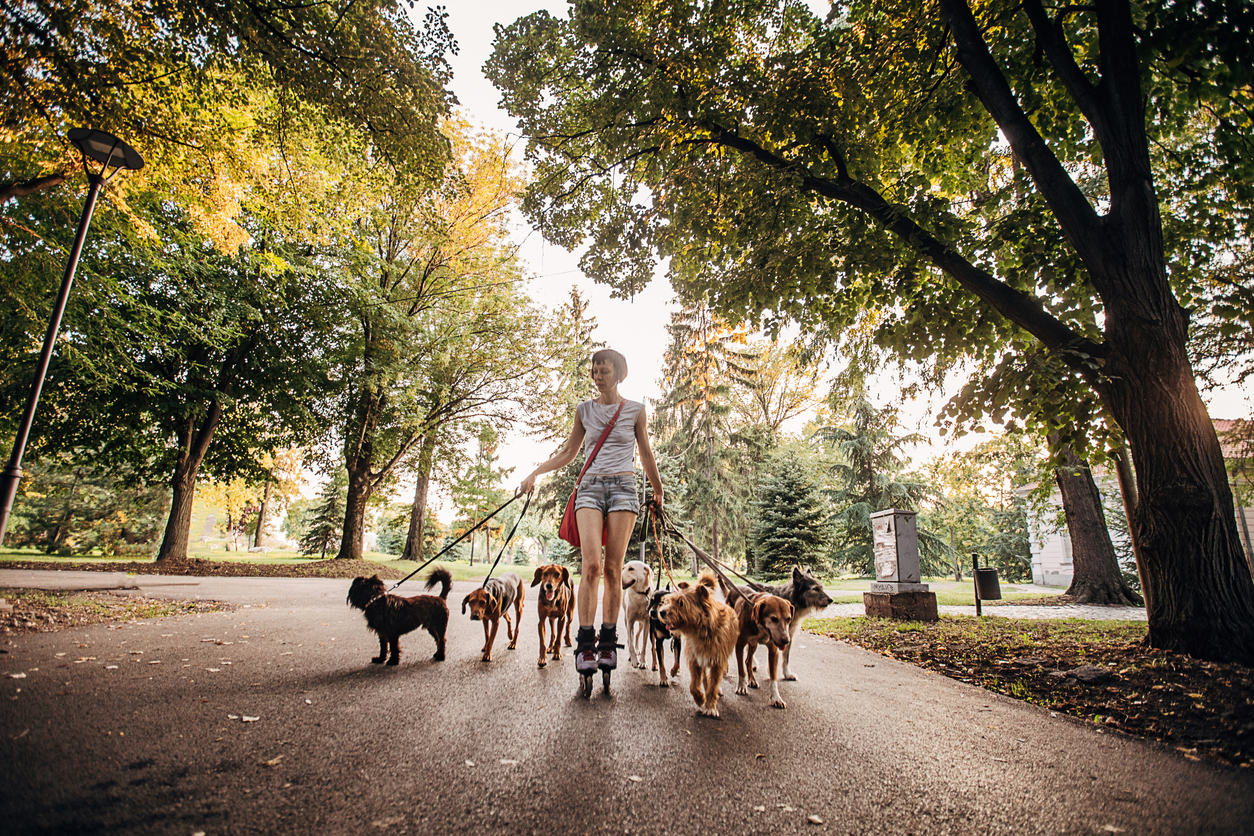
As a long-time dog trainer and family pet consultant, I’ve guided hundreds of families through the journey of finding their perfect canine companion.
I’ve learned that choosing the right dog for your family is one of the most important decisions you’ll make – one that can bring years of joy, laughter, and unconditional love to your household.
In this guide, I’ll share my expertise on the most family-friendly dog breeds that combine loyalty, gentleness, and adaptability – ideal companions for households with children, seniors, and everyone in between, making them the best family dogs.
What Makes a Great Family Dog?
In my years working with families and their pets, I’ve found that several key characteristics make certain dogs excel as family companions, the best family dogs.
The best family dogs consistently display patience with children, adapt easily to various living situations, have manageable exercise needs, and maintain friendly dispositions.
While I always remind families that individual dogs within any breed can vary in temperament, certain breeds have consistently impressed me with traits that make them excellent choices for family life.
From my experience, a truly family dog should be:
- Gentle and patient, especially with younger children
- Trainable and eager to please
- Adaptable to your family’s lifestyle and activity level
- Sociable with strangers and other pets
- Loyal and protective without being aggressive
- Manageable in size for your living space
Let me walk you through the breeds that I’ve seen excel in these areas and have proven themselves as wonderful family companions over generations.
Labrador Retrievers: America’s Favorite Family Dog
I’m never surprised when families tell me they’re considering a Labrador Retriever. Consistently ranking as America’s most popular dog breed for good reason, Labs embody nearly everything I believe families need in a canine companion. I’ve found these medium to large dogs (55-80 pounds) combine boundless affection with remarkable patience, making them especially suitable for households with children of all ages.
In my experience, Labs thrive on human interaction and form deep bonds with all family members. Their gentle mouths – developed for retrieving game without damage – make them naturally gentle when playing with children.
I’ve trained countless Labs and found their stable temperaments and eager-to-please attitudes respond exceptionally well to positive reinforcement training.
While energetic, especially in their younger years, I’ve seen Labs adapt well to various living situations provided they receive adequate daily exercise – typically 30-60 minutes of activity. Their short coats require minimal grooming, though I always warn families about seasonal shedding.
In my consultations, I emphasize that Labs can be prone to obesity if overfed, and the breed has predispositions to hip and elbow dysplasia.
I recommend working with responsible breeders who screen for these conditions, and maintaining a healthy weight significantly reduces these risks.
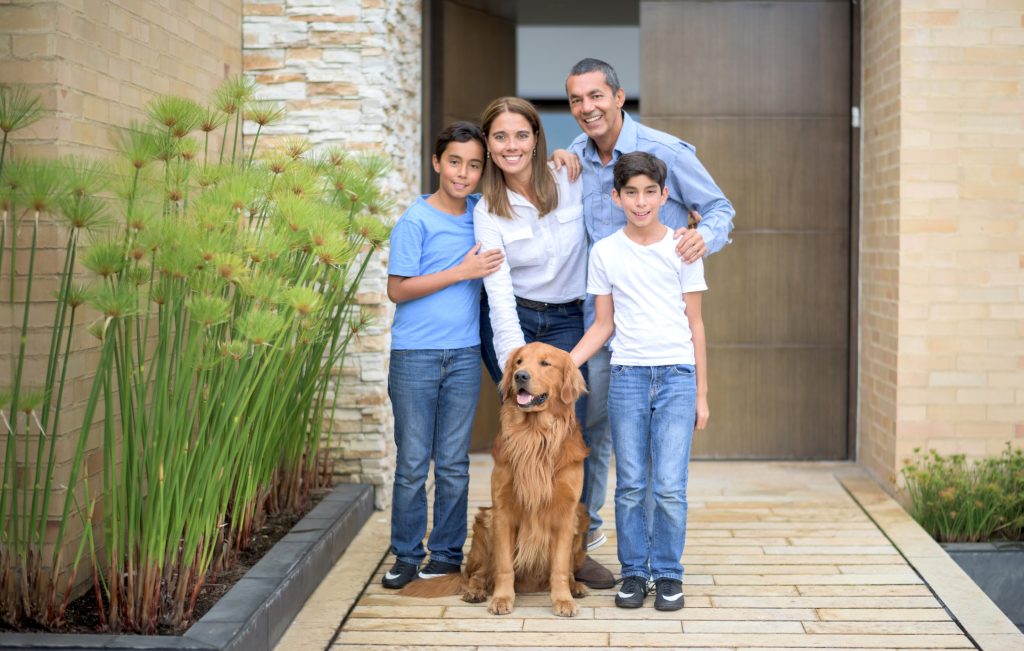
Golden Retrievers: Gentle Giants for Active Families
In my two decades working with family dogs, I’ve yet to find a breed that matches the Golden Retriever’s combination of gentleness, intelligence, and devotion to family.
These beautiful medium-large dogs (55-75 pounds) possess seemingly infinite patience with children and a natural desire to please that makes them highly trainable companions.
I’ve observed that Goldies thrive in active households where they receive plenty of engagement and exercise. Their playful nature persists well into adulthood, making them perpetual playmates for children. Their exceptional intelligence allows them to learn commands quickly, though I’ve found their sensitivity means they respond best to positive, reward-based training methods.
In my grooming workshops, I always demonstrate how the breed’s dense water-resistant double coat requires regular brushing (2-3 times weekly) to prevent matting and manage shedding.
Health-wise, I advise families to work with responsible breeders who screen for heart conditions, hip dysplasia, and certain eye disorders common in the breed.
For families who tell me they enjoy outdoor activities, I often recommend Golden Retrievers, as I’ve seen them excel at everything from casual backyard play to hiking, swimming, and even dog sports like agility and obedience competitions.
Beagles: Compact, Child-Friendly Companions
When families come to me seeking a smaller but still robust canine companion, I often suggest Beagles as an excellent option. These medium-small dogs (typically 20-30 pounds) pack tremendous personality into a manageable size, making them suitable for families in various living situations, including apartments with adequate exercise opportunities.
I explain that Beagles were originally bred for hunting in packs, so they naturally enjoy human and animal companionship. I’ve witnessed their gentle, merry temperaments and high tolerance for the noise and activity of family life make them particularly well-suited to households with children.
Their size also means they’re less likely to accidentally knock over smaller children during play – something I consider important for families with toddlers.
In my training sessions, I typically recommend moderate exercise for Beagles – usually two 30-minute walks daily plus some playtime.
Their short coats need minimal grooming, though I warn families they do shed year-round. As scent hounds, I’ve heard plenty of Beagles howl or bay when excited or left alone too long, something I advise apartment dwellers to consider.
From my training experience, I know Beagles require patience and consistency, as they can be independent thinkers, especially when an interesting scent captures their attention. I always recommend food-motivated training with this breed – it works wonders!
Cavalier King Charles Spaniels: Gentle Lap Dogs for All Ages
Few breeds have impressed me more than the Cavalier King Charles Spaniel when it comes to the combination of affection, gentleness, and adaptability in a small package (13-18 pounds).
I’ve recommended these elegant companions to countless households with children and seniors alike, as I’ve seen them readily adapt to their family’s activity level.
In my observation, Cavaliers possess a unique capacity to be both playful companions and calm lap dogs, happily accompanying children on adventures or curling up with older family members.
Their moderate exercise needs – typically satisfied with a daily walk and indoor play – make them suitable for various living situations, including apartments and homes with small yards.
I always demonstrate in my grooming classes how their beautiful, silky coats require regular brushing (3-4 times weekly) to prevent tangles and mats.
I urge health-conscious families to work with responsible breeders who screen for the heart conditions and syringomyelia (a neurological condition) that can affect the breed.
What I find most endearing about Cavaliers is how they typically form strong bonds with all family members rather than attaching primarily to one person, making them true family dogs in every sense.
Bulldogs: Low-Energy Companions for Busy Families
For families who tell me they have moderate activity levels or busy schedules, I often recommend the Bulldog (40-50 pounds) as a devoted companion that won’t demand excessive exercise.
In my experience, these stocky, muscular dogs typically maintain a calm demeanor indoors and show remarkable patience with children.
Despite their sometimes intimidating appearance, I’ve found well-bred Bulldogs typically display gentle, affectionate temperaments. Their exercise needs are modest – usually satisfied with two 15-20 minute walks daily – making them suitable for urban living and families with less active lifestyles.
I always emphasize health considerations including sensitivity to heat due to their brachycephalic (short-nosed) structure and potential breathing difficulties.
I advise families in hot climates to ensure their Bulldog has access to air conditioning and limit exercise to cooler parts of the day.
In my care workshops, I demonstrate how the breed’s facial wrinkles require regular cleaning to prevent infections, and their short coats shed moderately year-round.
While not the easiest breed to train in my experience, I’ve found Bulldogs typically respond well to consistent, positive reinforcement and plenty of treats. Bulldogs make great family dogs and have for centuries.
Collies: The Classic Family Protector
Made famous by the television show “Lassie,” Collies (50-75 pounds) have long been among my top recommendations as exceptional family dogs. I’ve seen these elegant herding dogs combine intelligence, gentleness, and natural protective instincts that make them excellent companions for households with children.
In my observations, Collies typically form strong bonds with all family members while maintaining a special protective attitude toward children. Their herding heritage gives them an intuitive sense of when something isn’t right, making them naturally vigilant without being aggressive – something I value highly in a family dog.
I explain to families that Collies come in both rough (long) and smooth (short) coat varieties, requiring different grooming commitments.
I demonstrate how Rough Collies need brushing 2-3 times weekly, while Smooth Collies require less frequent grooming but still shed seasonally.
In my training classes, I’ve found Collies to be highly intelligent, responding exceptionally well to positive training methods and often excelling in obedience, agility, and other dog sports.
Their exercise needs are moderate – typically satisfied with daily walks and play sessions – making them adaptable to various living situations, though I’ve noticed they appreciate access to a secure yard.
Poodles: Hypoallergenic Family Dogs in Three Sizes
When families with allergy concerns consult me, I often recommend Poodles as one of the few dog breeds available in three distinct sizes – Standard (40-70 pounds), Miniature (10-15 pounds), and Toy (4-6 pounds) – allowing families to choose the size that best fits their living situation.
I explain that all three varieties share the same exceptional intelligence, playful nature, and hypoallergenic coat that makes them suitable for families with mild allergies.
I’m quick to dispel the “fussy” reputation, explaining that Poodles are athletic, versatile dogs originally bred for water retrieval. I’ve observed they typically bond deeply with all family members and show remarkable patience with respectful children.
Their exceptional intelligence makes them highly trainable, though I warn they can become bored without adequate mental stimulation.
In my grooming demonstrations, I show how all Poodle varieties require professional grooming every 4-6 weeks unless owners learn to maintain their curly, non-shedding coats at home.
While this represents a significant commitment, many families tell me they find the virtual elimination of shedding well worth the grooming effort.
From my experience with different sizes, I explain that Standard Poodles require the most exercise – typically 30-60 minutes daily – while Miniature and Toy varieties can manage with somewhat less activity, making the smaller varieties more suitable for apartment living.
Portuguese Water Dogs: Active, Allergy-Friendly Companions
For active families seeking a medium-sized, hypoallergenic dog breed, I often recommend Portuguese Water Dogs (35-60 pounds). I’ve found these robust, athletic dogs combine playfulness, intelligence, and a strong work ethic that makes them engaging companions for households with older children and teens.
I explain that they were originally bred to assist fishermen, giving Portuguese Water Dogs remarkable swimming abilities and boundless energy for activities.
In my observations, they form strong bonds with all family members and typically show excellent judgment around children, though I caution their exuberance may be too much for toddlers.
During dog grooming workshops, I demonstrate how their curly, non-shedding coats require regular maintenance – typically professional grooming every 6-8 weeks and home brushing several times weekly.
While this represents a significant commitment, I point out that their minimal shedding makes them suitable for families with allergies.
Based on my experience training this breed, I advise that Portuguese Water Dogs require substantial daily exercise – typically 60-90 minutes – and mental stimulation through training and interactive play.
I warn families that without adequate physical and mental engagement, they may develop nuisance behaviors like excessive barking or destructive chewing.
Boxers: Playful Protectors with Boundless Energy
When families tell me they’re seeking an athletic, protective companion with a playful spirit, I often suggest Boxers (50-70 pounds). In my years working with this breed, I’ve found these muscular, medium-large dogs combine boundless energy with gentle patience toward family members, particularly children.
I share my observation that Boxers typically maintain their puppy-like playfulness well into adulthood, making them perpetual playmates for children and teens.
Their natural protective instincts make them excellent watchdogs, though I emphasize that proper socialization ensures they distinguish between normal situations and genuine threats.
In my grooming demonstrations, I show how their short coats require minimal grooming – typically just weekly brushing – though they do shed moderately year-round.
Based on my training experience, their exercise needs are substantial – usually 60+ minutes daily of vigorous activity – making them best suited to active families with secure outdoor spaces.
I advise health-conscious families to work with responsible breeders who screen for the heart conditions and certain cancers that can affect the breed.
Like Bulldogs, I point out that Boxers are brachycephalic (short-nosed) and may struggle in hot, humid weather, requiring access to air conditioning and limiting exercise to cooler parts of the day.
Mixed-Breed Dogs: Unique Family Companions from Shelters
While I often discuss purebred dogs that offer predictability in size, appearance, and temperament, I’m also a strong advocate for mixed-breed dogs from shelters and rescues, which can make equally wonderful family companions.
I’ve helped many families adopt adult mixed-breed dogs, allowing them to know exactly what they’re getting in terms of size, energy level, and basic temperament.
I recommend working closely with shelter staff who have observed the dog’s behavior around various people.
Many shelters I partner with evaluate dogs specifically for child-friendliness and compatibility with other pets, providing valuable insights into how a dog might fit into your family.
In my educational workshops, I explain how mixed-breed dogs often enjoy “hybrid vigor” – potentially fewer health problems than purebred dogs with concentrated gene pools.
I point out that adoption fees typically include initial veterinary care, spaying/neutering, and sometimes basic training, making adoption both economical and socially responsible.
For families open to providing a loving home to a dog in need, I’ve witnessed how shelter adoption can create a profoundly rewarding bond while teaching children compassion and responsibility.
Tips for Choosing the Best Dog for Your Specific Family
While breed tendencies provide useful guidelines, I always emphasize that individual dogs within any breed can vary significantly in temperament and energy level. When helping families select their canine companion, I recommend considering:
- Your family’s activity level: I encourage honest assessment of your family’s typical activity level and choosing a dog whose exercise needs match what you can consistently provide.
- Living space: While I’ve seen some large breeds adapt well to apartment living, most need adequate space to move comfortably. I advise considering your home and yard size when selecting a breed.
- Children’s ages: For families with toddlers, I often recommend gentle, patient breeds, while those with active older children might prefer more playful, energetic companions.
- Grooming commitment: I always ask how much time and money you can dedicate to grooming before recommending breeds with high-maintenance coats.
- Training experience: In my experience, first-time dog owners often succeed best with breeds known for eager-to-please attitudes and high trainability.
- Allergies: When family members have allergies, I suggest breeds known for producing fewer allergens, like Poodles, Portuguese Water Dogs, or certain terriers.
- Long-term commitment: I remind all my clients that most dogs live 10-15 years. Choose a breed that will fit your family’s lifestyle not just now but in the foreseeable future.
Preparing Your Home for Your New Family Dog
Once you’ve selected the perfect breed for your family, I’ve found that proper preparation ensures a smooth transition for both your new dog and family members:
- Dog-proof your home: I always recommend securing toxic substances, eliminating choking hazards, and protecting valuable items before bringing your new companion home.
- Establish rules: In my family consultations, I emphasize ensuring all family members understand and consistently enforce household rules for the dog, particularly regarding furniture access, feeding, and training methods.
- Assign responsibilities: I’ve seen the most success when families clearly define who handles feeding, walking, grooming, and training responsibilities to prevent neglect of essential care.
- Create a safe space: I advise providing your new dog with a quiet retreat area where they can decompress when feeling overwhelmed by family activity – something I consider essential for the dog’s wellbeing.
- Schedule a veterinary visit: I recommend arranging an initial check-up within the first week to establish a baseline for your dog’s health and discuss preventative care.
- Consider professional training: Even with experienced dog owners, I’ve seen tremendous benefits from professional training assistance, particularly during the crucial early weeks of bringing a new dog home.
Conclusion: Finding Your Perfect Family Dog
In my years helping families find their ideal dog, I’ve witnessed how the perfect canine companion creates a lifetime of memories while teaching children responsibility, compassion, and unconditional love.
Whether you choose a purebred puppy from a responsible breeder or adopt a mixed-breed companion from a shelter, I believe the right dog for your family is one whose temperament, energy level, and care requirements align with your household’s lifestyle.
I always remind families that while breed tendencies provide helpful guidelines, each dog is an individual with unique personality traits.
I encourage taking time to meet several dogs before making your decision, and involving all family members in the selection process to ensure everyone connects with your new four-legged family member.
With proper research, preparation, and commitment to responsible ownership, I’ve seen countless family dogs become not just pets but beloved companions who enrich lives for many years to come.
Have you already welcomed one of these dog breeds into your family? I’d love to hear about your experiences in the comments below!